Problem owned
CASE STUDY 01
Case study / creative production
RootfolkCreative production system
How I turned a multi-stage comic project into a repeatable path from idea capture through production and launch.
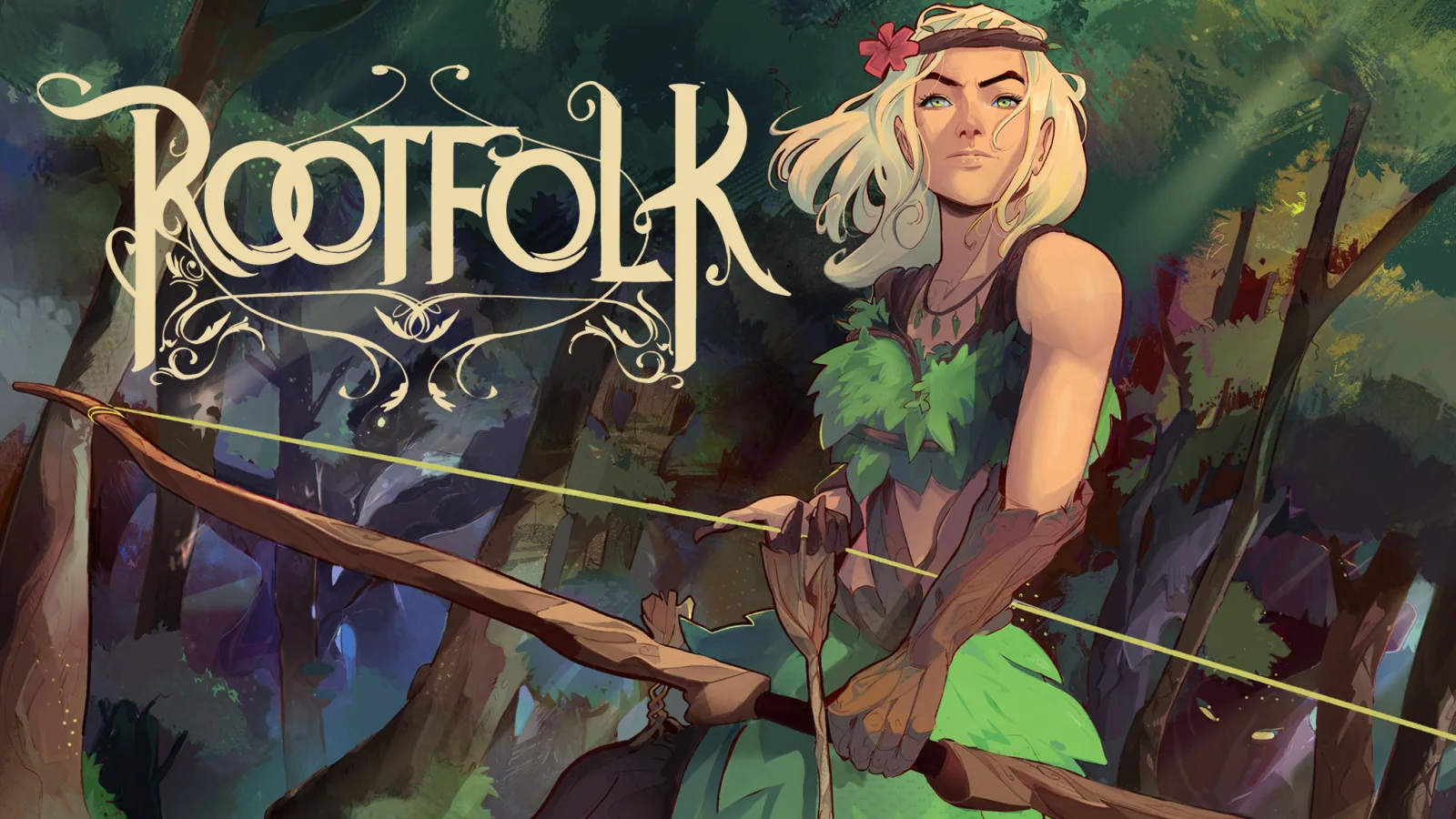
The brief
60 SECOND READRole
Writer / production
Writing, creative direction, production coordination, and the Notion system that held the work together.Constraint
Protect judgment
The system had to span mediums and stages without turning creative work into database maintenance.Verified result
$1,500 in ~2 hours
The first Kickstarter passed its $1,500 funding goal in about two hours; the source does not claim one system component caused that result.Verified outcome
The process became legible enough to reuse.
The art-tracking database made the production process legible and captured a workflow that could be reused across the remaining issues.
$1,500funding goal passed in about two hours
The source records the campaign result separately from the system result; it does not attribute the funding outcome to one database or feature.System / path
From thought to shipped work.
The system is organized around four questions: how quickly can an idea survive, how can it stay visible, when should structure appear, and what carries the project to delivery?
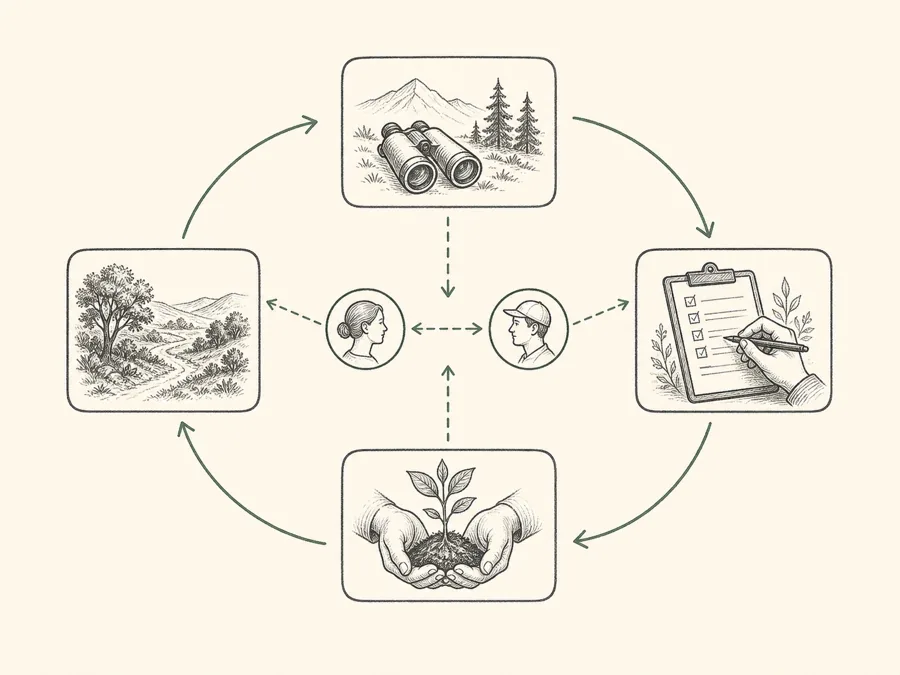
Capture
Make the distance between a thought and a safe place for it as small as possible. Direct Notion capture, a launcher, and intentional shortcuts all lead into the same system.
Surface
Keep promising ideas visible without making every stray thought a commitment. Idea views and stars create a deliberate middle state between capture and project.
Evolve
Start with one flexible, medium-neutral idea template. Add prompts, buttons, and project structure only as an idea becomes ready for them.
Ship
Give committed work a medium-specific project template, then track the production path. For Rootfolk, artwork moved through script, thumbnails, inks, colors, letters, and layout with review between stages.
Judgment / tradeoffs
Where the system stays deliberately light.
Each choice removes a recurring decision while leaving room for the work to change shape.
01
Capture before classification
- Choice
- Let an idea enter the system before asking what it is or which medium it belongs to.
- Tradeoff
- The early note stays intentionally under-specified. Structure arrives later through a destination template or an intentional shortcut.
02
One flexible idea template
- Choice
- Use prompts for character, world, theme, player experience, form, and scope instead of separate templates for every kind of idea.
- Tradeoff
- The system gives up early precision so a concept can become a comic, screenplay, novel, board game, or something else before that decision is useful.
03
Planning is not drafting
- Choice
- Keep durable commitments and story structure in Notion, while individual scenes and chapters remain in Scrivener.
- Tradeoff
- The workflow is intentionally split across tools. That separation protects improvisation instead of forcing the database to replace the writing.
04
Production gets its own control surface
- Choice
- Build a dedicated art-tracking database when assets started arriving across email threads, replies, and Instagram messages.
- Tradeoff
- The database is large and continues to evolve, but it made the production process legible and captured a workflow reusable across the remaining issues.
Evidence / artifacts
The useful parts were surfaces, not decoration.
These are the structures described in the source essay, paired with the published project they helped move toward launch.
System map
Four connected databases
Projects holds committed work; Tasks holds the actions; Notebook holds ideas and research; Keywords connects and gives behavior to the notes.Decision surface
The Idea keyword
Two views separate ideas that could become the next project from the larger pool, while stars record which ideas still have life when revisited.Production surface
Art tracking
A dedicated database made artwork, review, feedback, and arrival status visible across the stages required to produce Rootfolk.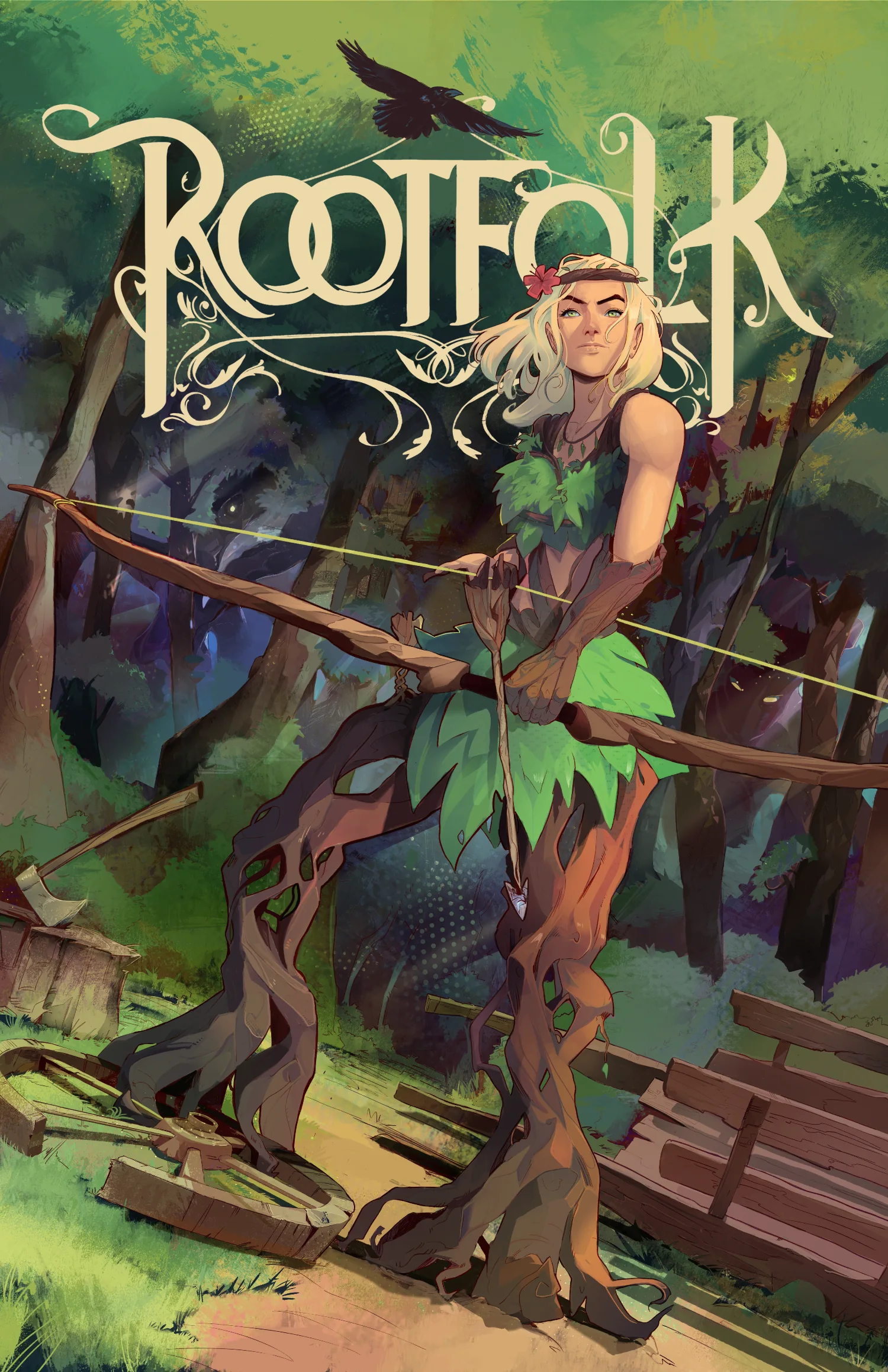
Lessons / next iteration
Keep the system in service of the work.
Lesson
A workflow should protect creative judgment.
The system is useful when it reduces administrative decisions without flattening the creative act into maintenance.Next iteration
Reuse the production path for the remaining issues.
The source describes the art-tracking workflow as reusable and the current project template as a practice that continues to evolve.Interested in making a creative operation easier to run?
Talk with me →